Blog
What Happens After Fire Alarm Installation? Understanding Ongoing Maintenance
Installation is the starting point, not the finish line
A newly installed fire alarm system gives you a working foundation, but its reliability depends on what happens afterwards. Dust can affect detectors, batteries can weaken, equipment can be damaged and changes to a building can leave parts of the system poorly positioned.
That is why maintenance is not simply a matter of silencing an occasional alarm or replacing a component when it fails. Our job is to build a clear picture of the system’s condition, test how it responds and identify problems before they become a serious loss of protection.
If you are still comparing the installation process itself, our Fire Alarm Installation service page explains the overall scope. This article looks at what happens once the system has been handed over.
What we do during a maintenance visit
1. We establish the system’s starting point
The first useful reference point is the completed installation and its handover information. This tells us what equipment is fitted, how the system is arranged and which areas each section or device covers.
Without that baseline, testing can become a narrow search for obvious faults. With it, we can compare the system as it is now with the intended design. This matters particularly in commercial buildings, rented properties and premises where rooms, partitions or occupancy have changed since the system was installed.
We also need to understand how the building is used. A house, care setting, office, workshop and communal residential property can place different demands on a fire alarm system. The maintenance approach must reflect the risks created by the building and its occupants, not just the appearance of the control panel.
2. We inspect the visible equipment
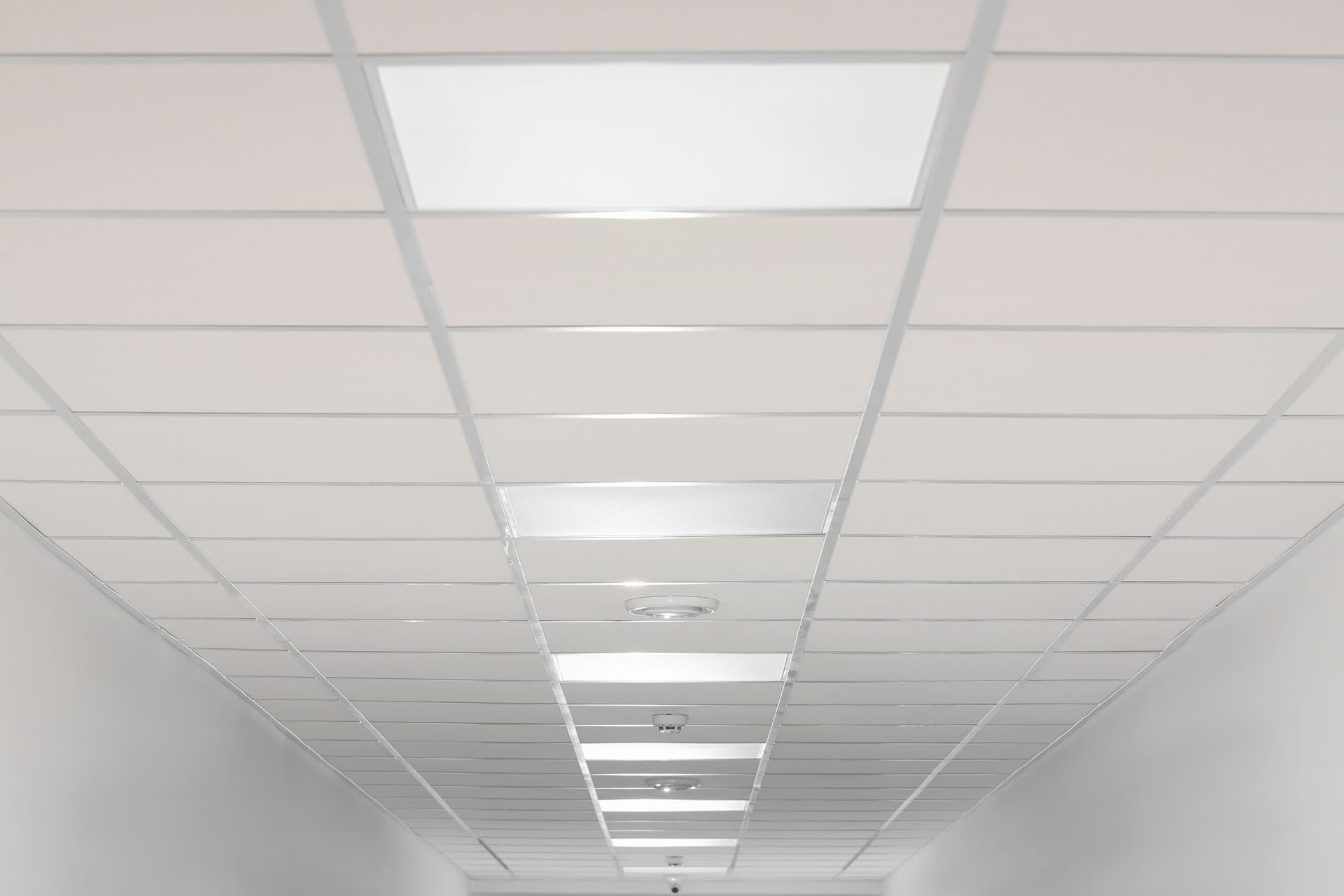
Our engineer checks the condition and accessibility of key equipment, including the control panel, detectors, manual call points (break-glass alarm points), sounders (alarm units) and any visible cabling or connected equipment. The purpose is not only to see whether a device is present. It is to look for signs that its performance could be affected.
Typical examples include a detector obstructed by a new fitting, a call point blocked by stored items, damage caused by building work, contamination or equipment that has become difficult to access. These issues can develop without producing a constant fault on the panel, which is why a visual inspection remains important.
We also consider whether the system still reflects the property. A new room layout, change of use or alteration to escape routes may require the arrangement to be reviewed rather than simply tested as before.
3. We test the system’s response
A fire alarm is designed to do more than display a normal status. It must detect something that triggers the alarm, communicate that signal correctly and alert people throughout the relevant areas.
During maintenance, we test the system in a controlled way. This can include operating manual call points, checking detector response through suitable test methods and confirming that alarm sounders and other connected functions operate as intended. We check whether signals reach the correct zones and whether the control equipment records events properly.
The exact work depends on the system installed and the property it protects. The important point is that testing should examine the chain from initiation to warning, rather than treating a green indicator on the panel as proof that every device is working.
4. We investigate faults instead of simply clearing them
A recurring fault is information. It may point to a failing battery, damaged wiring, contamination, a device reaching the end of its useful service life or an issue with the electrical supply. Resetting the panel without finding the cause can leave the same weakness in place.
We review fault and event messages, discuss repeated false alarms with the person responsible for the building and trace issues where appropriate. False alarms deserve proper investigation because frequent unwanted activations can lead to people ignoring the warning, delaying evacuation or disabling equipment to avoid disruption.
Where a repair or replacement is needed, the work should be considered in relation to the whole system. A component must be suitable for the panel and installation, and its replacement may need testing and recording so the system’s documented condition remains accurate.
What you should expect after the visit
Good maintenance leaves you with more than a quick verbal confirmation. You should understand what was checked, whether any limitations were found and what action is required. Records are important because they show the system’s history and help the responsible person manage recurring issues, alterations and future inspections.
If a defect cannot be resolved during the visit, it should be explained clearly. That includes the effect on protection, any immediate precautions needed and whether further work is recommended. The right response depends on the fault and the property, so a responsible engineer will not disguise an unresolved problem as a completed maintenance visit.
Keeping the system reliable between visits
You can support the maintenance programme by keeping detectors, call points and access routes clear. Report unusual beeping, repeated false alarms, visible damage or changes in the building rather than waiting for the next planned appointment. Do not cover detectors, remove devices or carry out alterations yourself.
Tell us about refurbishment, room changes, new equipment and changes in occupancy. Those details can affect whether the existing arrangement remains appropriate. At PPM Fire and Security Ltd, we maintain fire alarm systems for properties in Batley, Leeds and surrounding West Yorkshire areas, helping you keep the system understood, tested and properly recorded after installation.
For advice on arranging maintenance for your fire alarm system, contact us to discuss the property and request a suitable quotation.
Other Articles